
Blog
Tips, insights, and stories about learning Korean
Editor's Pick
7 Best Korean Learning Apps in 2025 (Honest Review)
We tested every major Korean learning app so you don't have to. Here's what actually works for speaking Korean — and what's just gamified flashcards.
Read more →All Posts
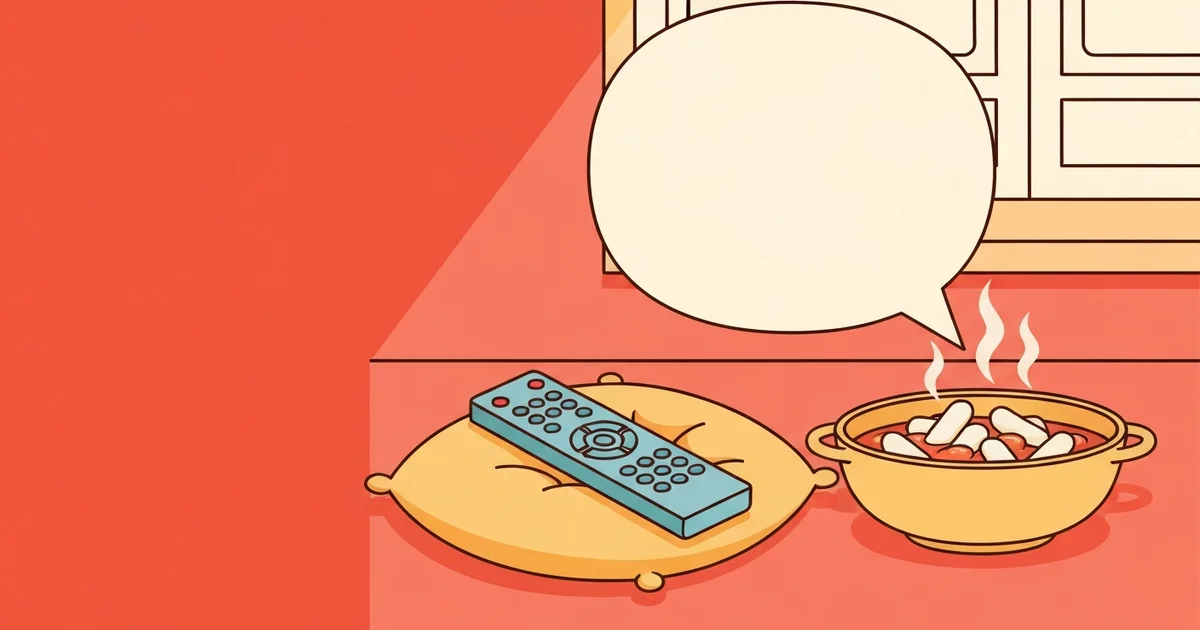
Andwae in Korean: One Word That Does Everything
안 돼 (andwae) is K-drama's most versatile exclamation: part refusal, part panic, part affectionate protest. This guide breaks down its meaning, pronunciation, and real-world usage.

Cow in Korean: 소, Beef Culture, and the Year of the Ox
소 (so) is the Korean word for cow. One syllable that compounds into beef vocabulary, zodiac talk, and vivid idioms about stubbornness. This guide covers the word, the culture behind it, and how to use it from a restaurant menu to a birthday conversation.

Asthma in Korean: 천식, Clinics, and Fine Dust Season
천식 is the Korean word for asthma. Two syllables that can make a clinic visit in Seoul much less stressful. This guide covers pronunciation, related vocabulary, and the fine dust season context that makes 천식 a very common word in Korea.
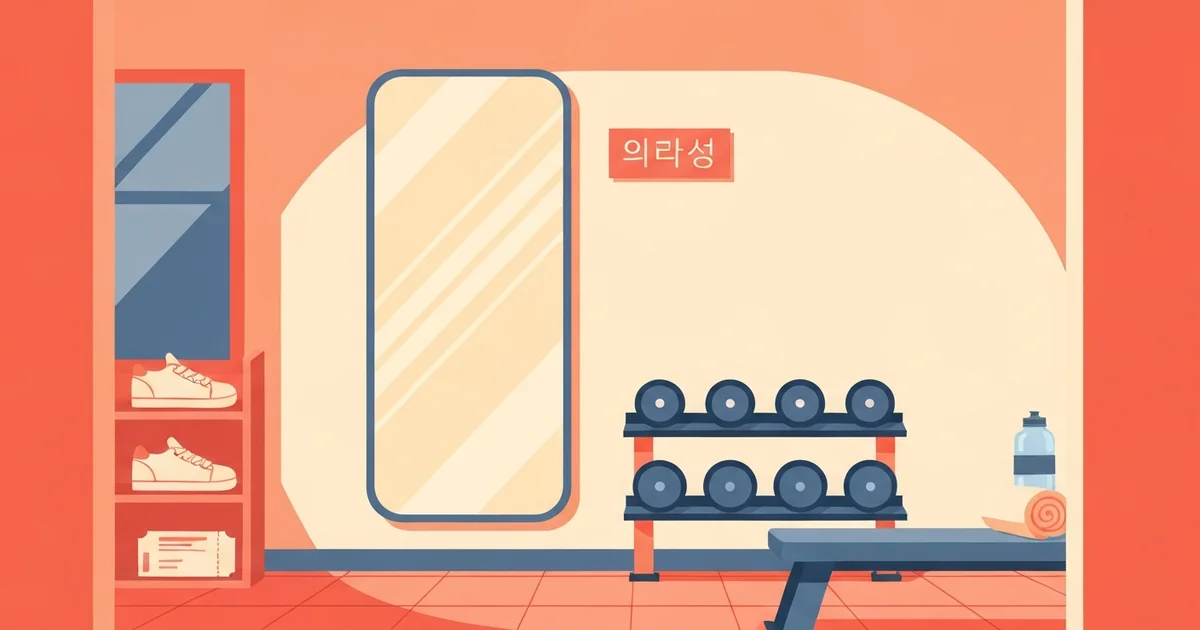
Gym in Korean: 헬스장 and Everything That Comes With It
You're looking for the Korean word for gym. It's 헬스장, and once you're inside one in Seoul, you'll want about a dozen more words to go with it.

Home in Korean: 집, 고향, and Why the Difference Matters
Korean splits 'home' into 집 (where you live now), 고향 (where you're from), and 가정 (the family household). Getting the right one changes the emotional register of everything you say.

Auf Wiedersehen auf Koreanisch: Two Farewells, One Rule
German has Auf Wiedersehen for everyone. Korean splits the farewell in two: one phrase if you're walking out, another if you're staying put.

Airport in Korean: How to Say 공항 and Use It at Incheon
공항 (gonghang) is the Korean word for airport, built from two characters meaning 'sky' and 'harbor.' This guide covers the word itself, Incheon vs. Gimpo, and the phrases that get you from arrivals to the city.
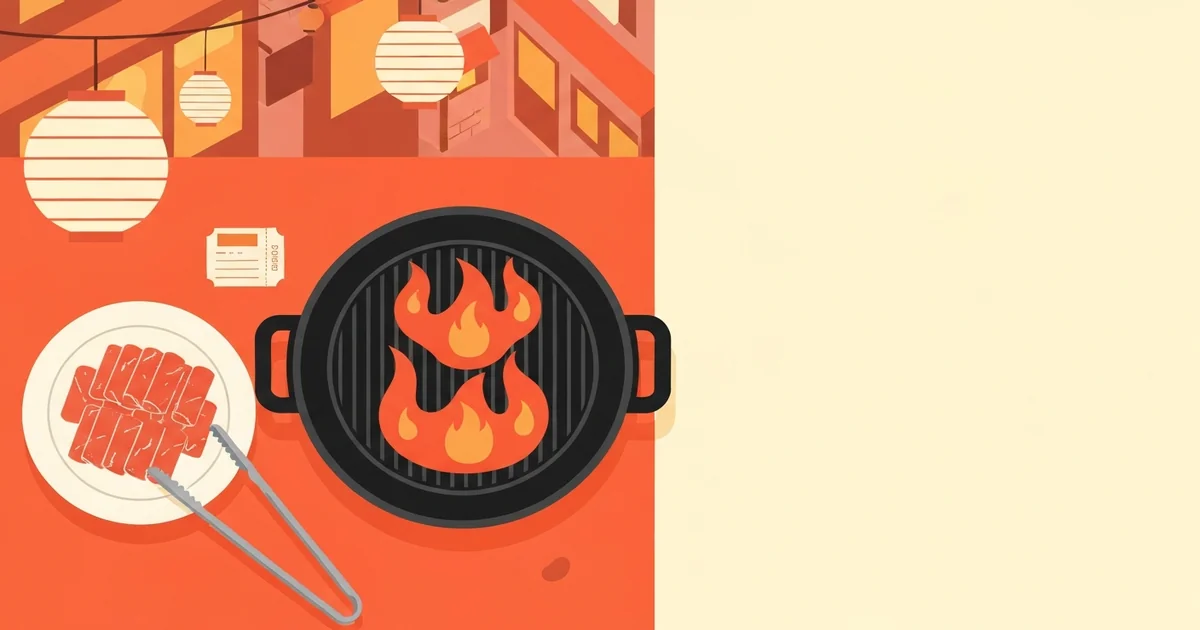
Fire in Korean: 불 (Bul), 화재, and the Words Between
불 (bul) handles fire in daily conversation, while 화 (hwa) runs through formal compound words like 화재 and 화산. Knowing both roots unlocks Korean menus, safety signs, and emergency vocabulary at the same time.
Arthritis in Korean: How to Say 관절염 at a Seoul Clinic
The Korean word for arthritis is 관절염 (gwanjeollyeom). Here's what the term means, how to break it down, and the phrases you'll use at a clinic in Seoul.
Sweet in Korean: 달다, 달콤하다, and the Honey Word
Korean splits sweetness three ways: 달다 for taste, 달콤하다 for warm feeling, and 꿀 (honey) for anything that feels exceptional.
Army in Korean: 군대 (Gundae) vs 육군 (Yukgun) Explained
Korean has two primary words for army and they don't mean the same thing. Here's the vocabulary, the cultural context, and why this word shows up in K-pop fan culture too.
Credit Card in Korean: What to Say at Every Checkout
Knowing 신용카드 is just the start. Here's the full vocabulary you need to pay by card anywhere in Seoul, including the installment question every cashier asks.
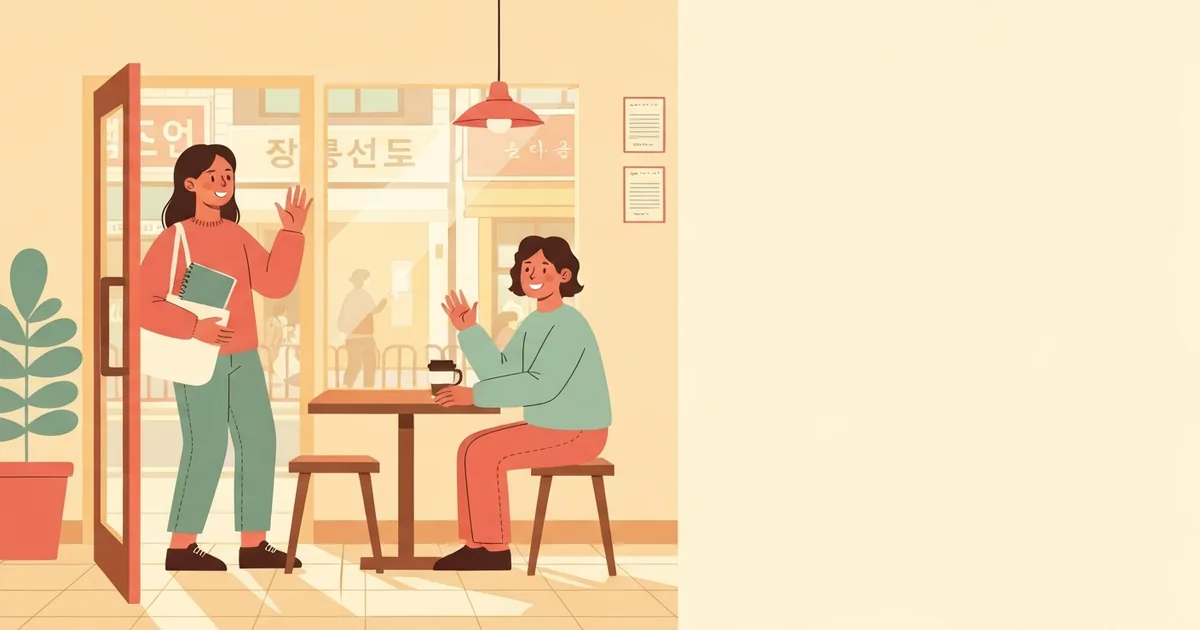
Have a Good Day in Korean: 좋은 하루 되세요 Explained
Korean doesn't express 'have a good day' the same way English does. 좋은 하루 되세요 wishes the day itself to become good for you. Here's how it works and when each form fits.

Bus Stop in Korean: 버스 정류장 and Seoul's Buses Explained
버스 정류장 is the Korean word for bus stop, and it's your entry point into one of the world's most organized urban transit systems. Here's the vocabulary, the etiquette, and the card you need.

Bank Statement in Korean: What 통장 Really Means
Korean banking comes with its own vocabulary, and 통장 is at the heart of it. Here's what you need to know about bank statements and financial terms in Korean.
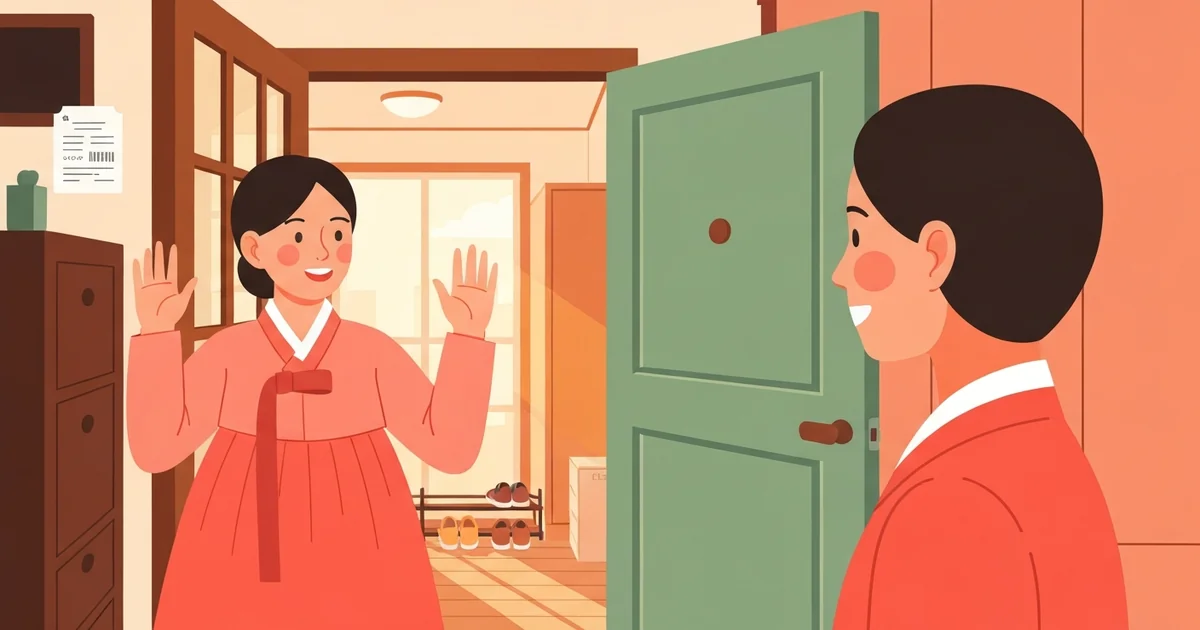
You're Welcome in Korean: What Koreans Say After 감사합니다
Koreans respond to thanks with deflection, not acceptance. Here's the full range of 'you're welcome' expressions in Korean, and when to use each one.

귀엽다 Explained: How Koreans Actually Talk About Cute
The Korean word for cute does more emotional work than most learners expect. Here's everything behind 귀엽다, why it differs from 예쁘다, and how aegyo connects.
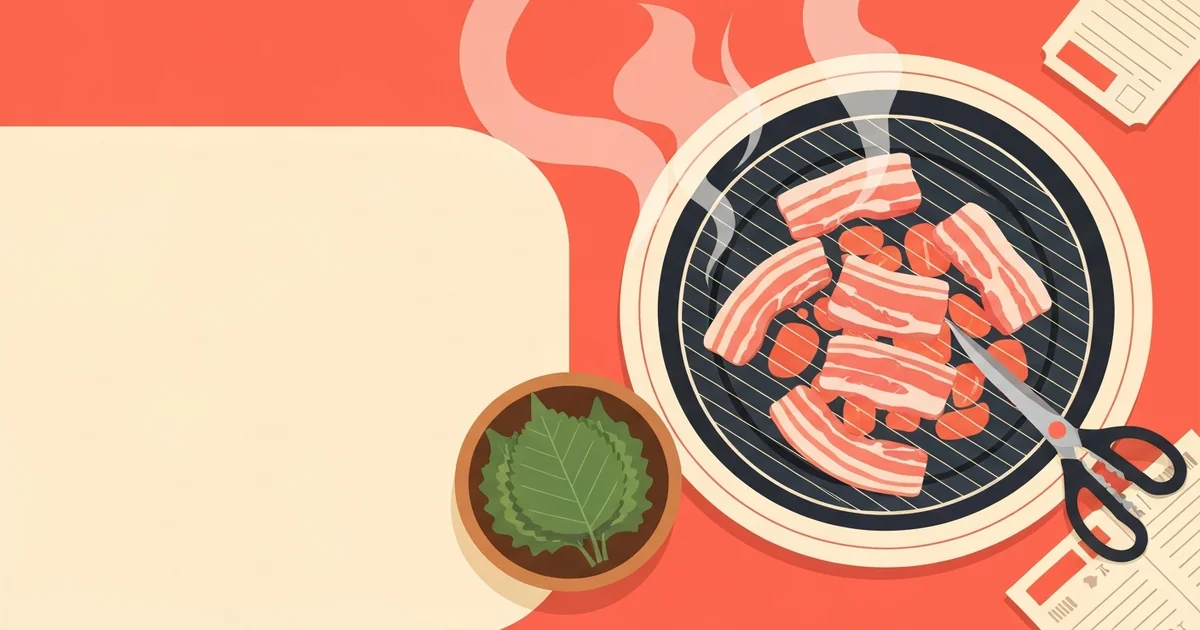
Meat in Korean: 고기 and the Words Every K-BBQ Fan Should Know
One word, 고기 (gogi), is the key to reading Korean meat vocabulary. Add an animal name in front and the whole menu starts to make sense.
Kiss in Korean: 키스, 뽀뽀, and the Difference That Actually Matters
키스 and 뽀뽀 both translate to 'kiss' in English, but they're tuned to completely different moments. Here's how to tell them apart, and why K-drama first kisses are always such a big deal.

Puppy in Korean: 강아지, 멍멍이, and the Words Koreans Really Use
강아지 means puppy, but Koreans use it for any dog they're fond of. Here are the words you actually need, plus the cultural shift behind them.
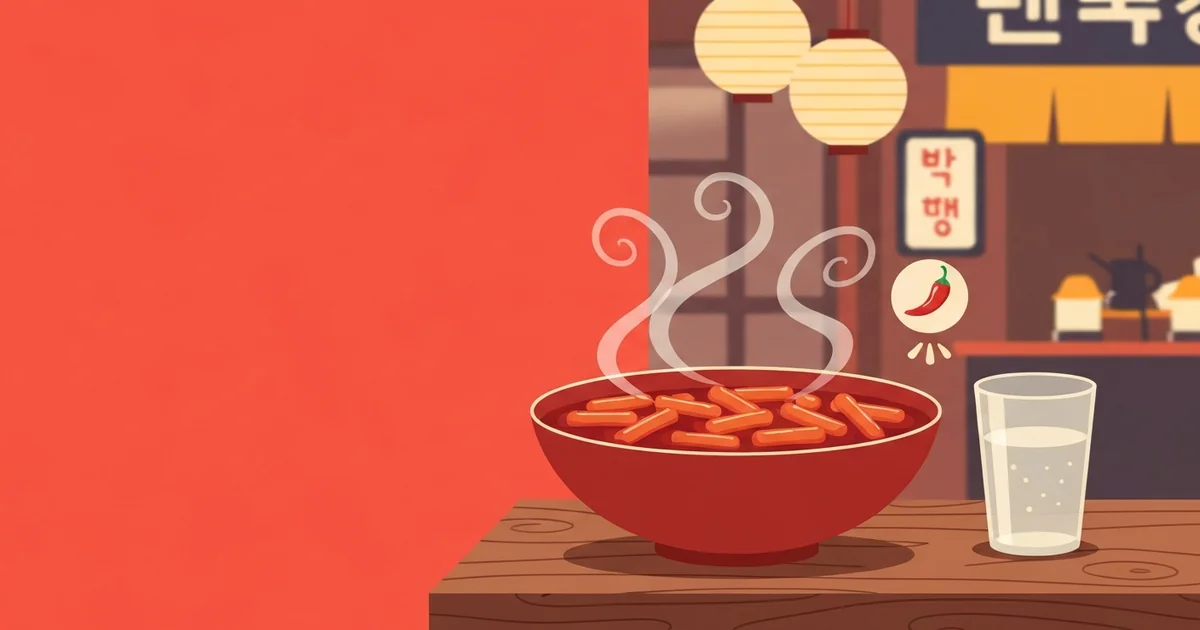
Spicy in Korean: What 맵다 Means and How to Use It
One adjective unlocks Korean menus, spice level conversations, and the cultural attachment to heat that shapes everything from pojangmacha street food to mukbang. Here's how to use it.

Guten Morgen auf Koreanisch: What Koreans Say in the Morning
German has Guten Morgen. Korean has something more flexible. Here's why 안녕하세요 works at 7 a.m. and what Koreans actually reach for first thing in the morning.

How to Say Jesus in Korean: 예수, 예수님, and What It Means
예수 is the Korean transliteration of Jesus, but the honorific form 예수님 is what you'll actually hear in Korean churches and daily conversation. Here's what to know.

Welcome Back in Korean: 어서 와 and the Phrases That Actually Matter
Korean has a built-in homecoming ritual that English doesn't. Here's how to say welcome back in Korean, and what happens if you use the wrong register.

How to Say Get Well Soon in Korean (and Mean It)
Korean has more than one phrase for wishing someone well, and the most culturally resonant one isn't a direct translation of 'get well soon' at all.

Gute Nacht auf Koreanisch: How to Say Good Night in Korean
Korean doesn't have one 'gute Nacht.' It has three, each calibrated for a different relationship. Get them right and you'll sound like you actually know the language.

Good Evening in Korean: The Phrase That Never Clocks Out
Korean doesn't flip a 'good evening' switch at sundown. One phrase handles most of the day, but a few others come alive as the light fades.

How to Say Happy Birthday in Korean: 생일 축하해요 and Birthday Traditions
Korean has more than one way to wish someone a happy birthday, and the version you choose signals how well you read the room. Here's what each form means, who it's for, and what a Korean birthday actually looks like.
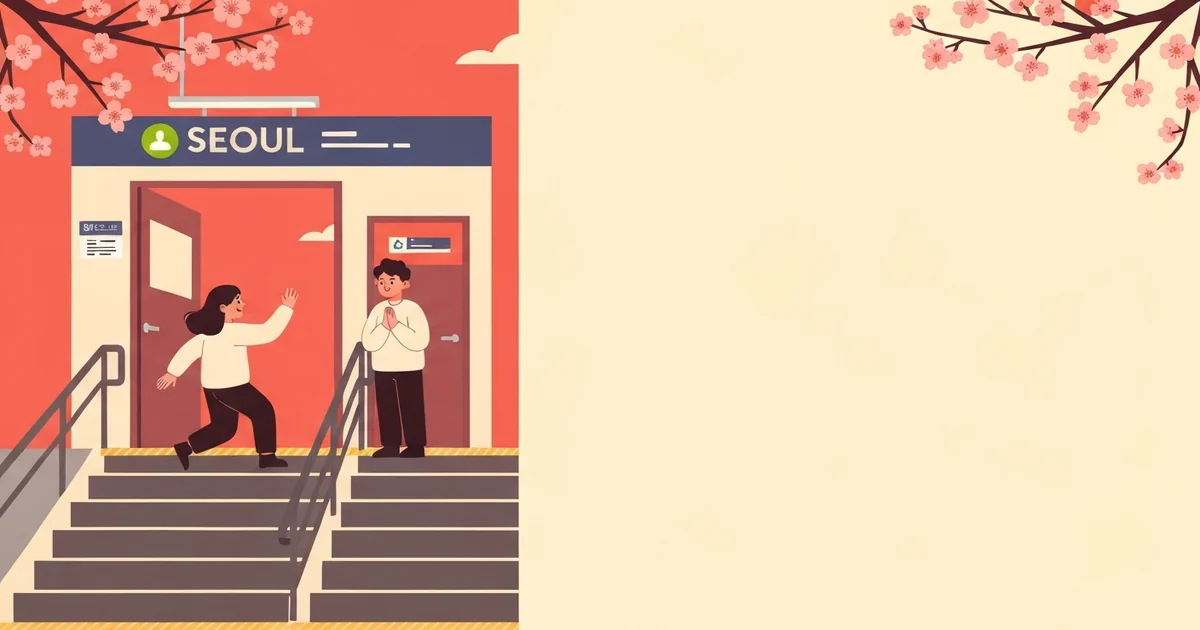
Be Careful in Korean: 조심해, 조심하세요 and How to Use Both
조심해 and 조심하세요 both translate to 'be careful,' but Koreans regularly reach for the polite form as a parting farewell, rather than a plain caution.
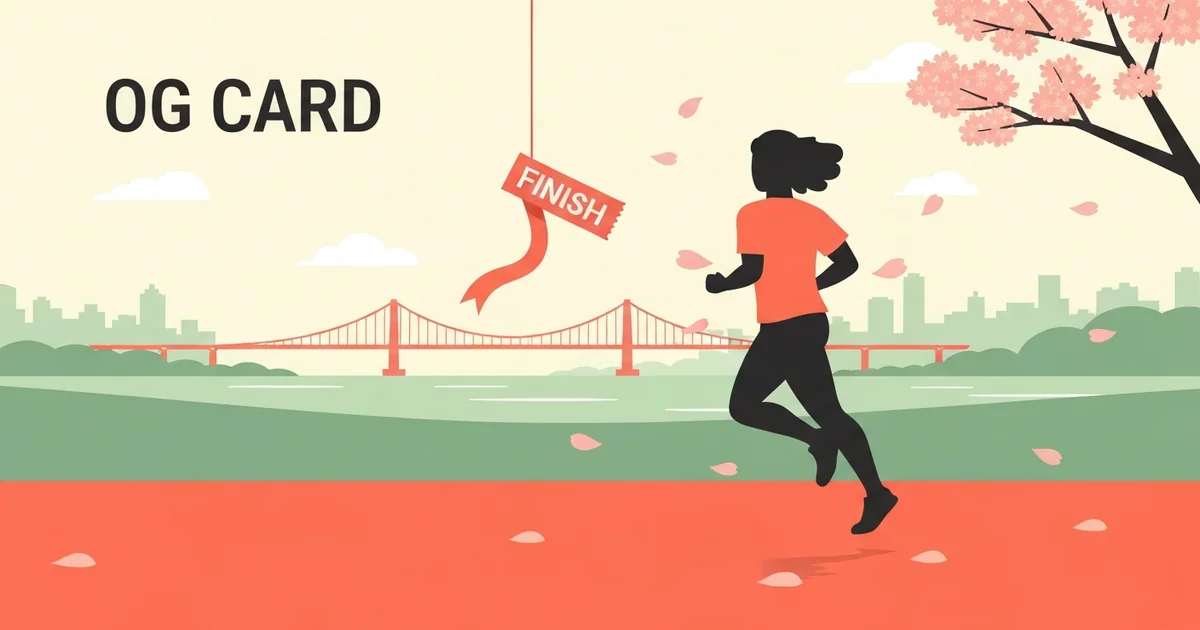
Korean for Runners: 15 Words You'll Actually Use
From the Han River paths of Seoul to your local running club playlist, these 15 Korean words will change every run.

Goodbye in Korean: Two Phrases, One Farewell, Real Difference
Korean doesn't have one word for goodbye. It has two, and which one you use depends on whether your feet are the ones moving.
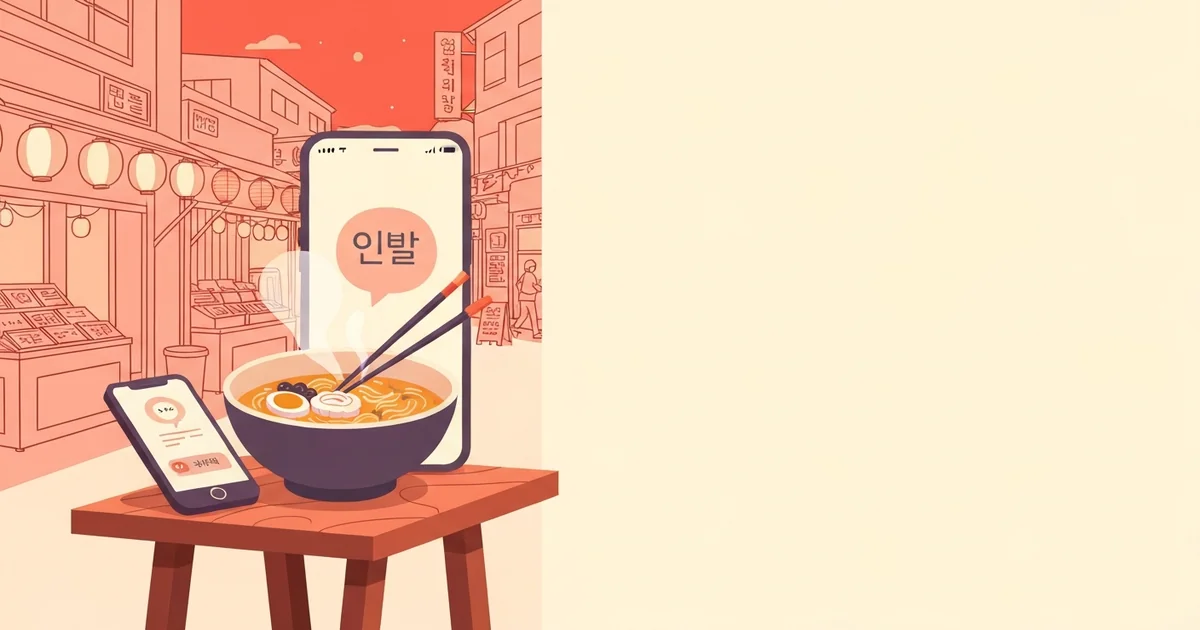
배고파요: How to Say Hungry in Korean (And Why It Matters)
Koreans don't just say they're hungry. The word connects to a cultural greeting that has nothing to do with asking for food, and everything to do with care.

Bipolar Disorder in Korean: What 양극성 장애 Means and Why It Matters
양극성 장애 is Korean for bipolar disorder, and its literal structure is one of the cleaner descriptions of the condition in any language. Here's what the word contains, and how mental health vocabulary is shifting in Korea.

Rain in Korean: 비, 장마, and Why It Rains Pajeon
Korean has one short word for rain and a whole culture built around it. Here's how to talk about 비, 장마, and the foods that only taste right in the rain.
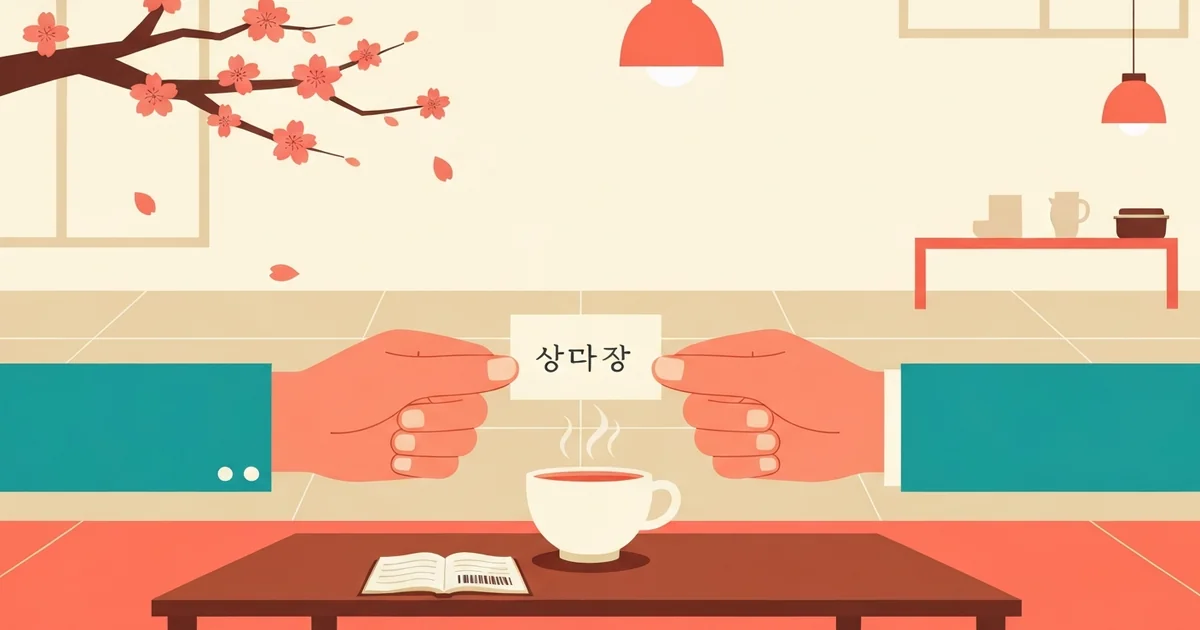
Nice to Meet You in Korean: 만나서 반갑습니다 and What Comes Next
The phrase 만나서 반갑습니다 opens a Korean first meeting. The bow angle, the age question, and the address terms that follow are where the real introduction begins.

Sleep Well in Korean: 잘 자요, 잘 자, and How Goodnight Works
Korean has a graceful way to close the day. 잘 자요 and 잘 자 both mean 'sleep well,' but the difference between them signals everything about how close you are to someone.

I Love You in Korean: 사랑해, 좋아해, and When to Say Which
Korean has two expressions for saying I love you, and the difference between 사랑해 and 좋아해 goes deeper than degree. Here's what Korean romance vocabulary actually looks like.
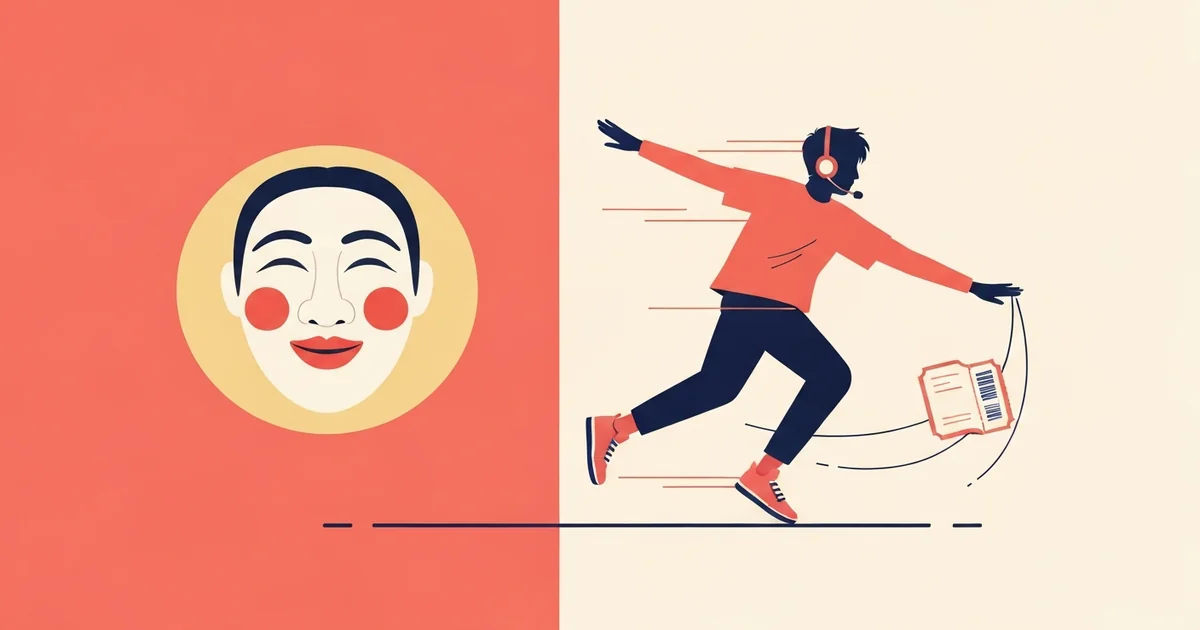
Choom (춤) in Korean: From Mask Dance to K-Pop Stages
Choom (춤) translates to dance, but it's older than K-pop. Koreans use the same word for village mask theater, K-drama wedding scenes, and BTS choreography sessions.
Good Morning in Korean: 9 Ways Koreans Actually Say It
Korean has one textbook 'good morning' and a half-dozen real ones. Here's the lineup, sorted by who says it and where, from a Hongdae cafe to the office Kakao chat at 8 a.m.
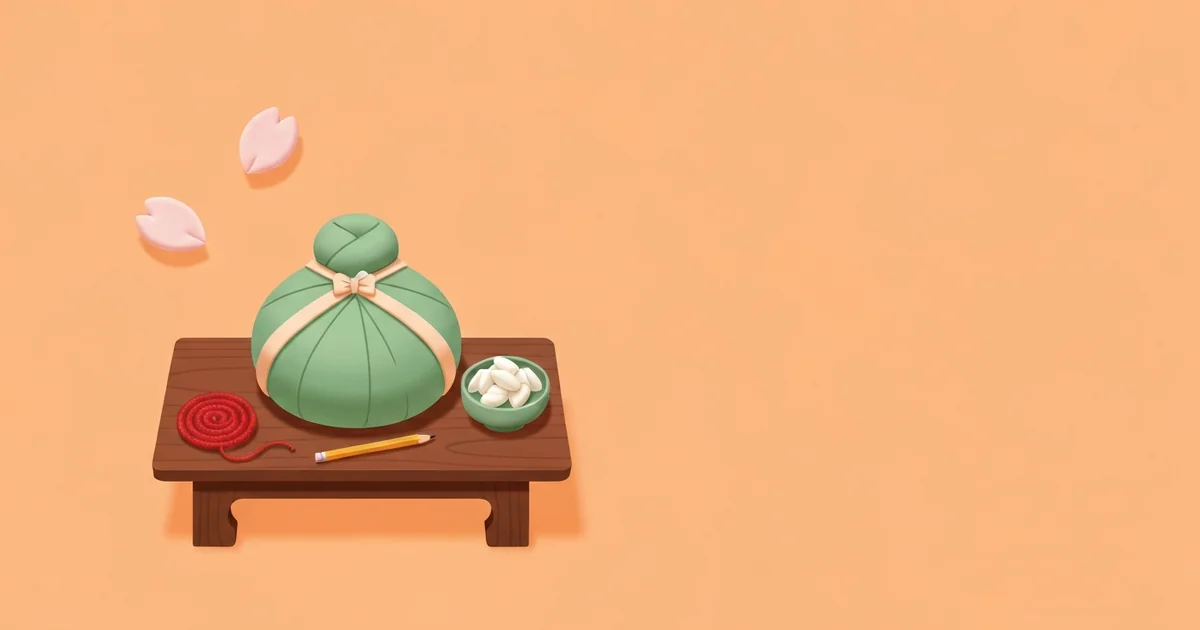
Baby in Korean: Why 아기, 애기, and 자기야 All Mean 'Baby'
Most languages have one word for baby. Korean has five. The full lineup tells you a lot about how Korean families treat a child's first year.

Why BTS Fans Still Stream 봄날 Every March (And What It Means)
Korean streaming charts have a recurring spring-time anomaly. BTS's 봄날 climbs again every March. The two-syllable Korean word in the title carries more than the calendar suggests.
7 Best Korean Learning Apps in 2025 (Honest Review)
We tested every major Korean learning app so you don't have to. Here's what actually works for speaking Korean — and what's just gamified flashcards.
