
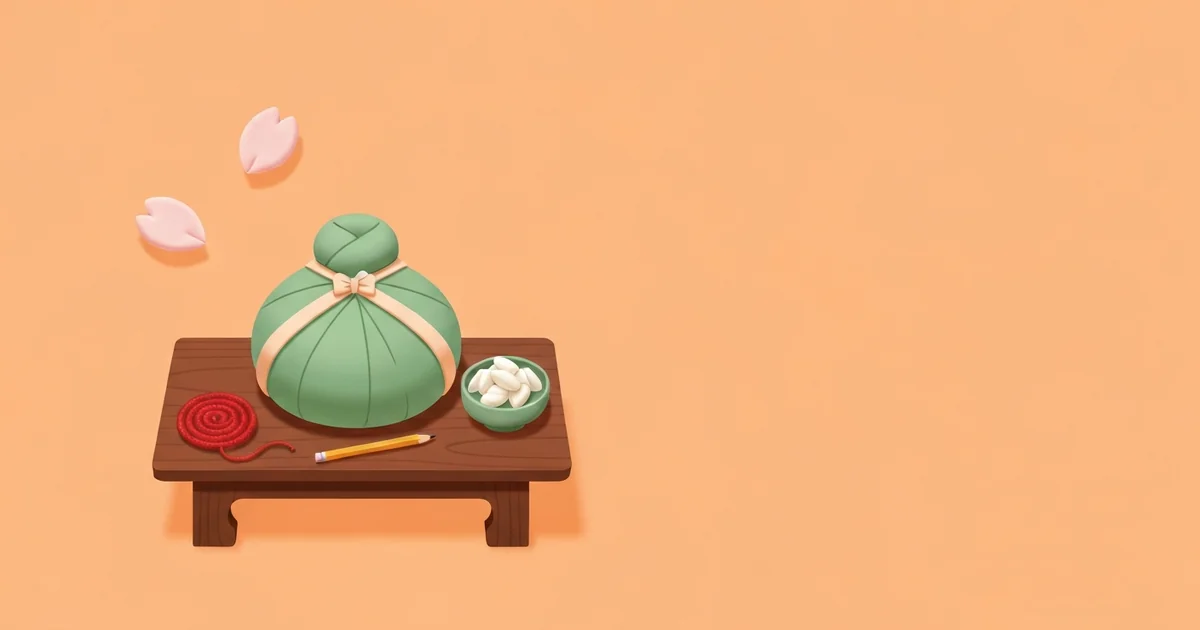
Most languages have one word for baby. Korean has five. The full lineup tells you something about how Korean families treat the first year of a child's life. There's the textbook word 아기 (agi). There's the cute version 애기 (aegi). There's grandma's 아가 (aga), the K-pop loanword 베이비 (beibi), and the romance-only 자기야 (jagiya). Plus a 100-day party called 백일 (baekil) and a first-birthday divination ritual called 돌잡이 (doljabi). Here's how it all fits together.
Quick answer: 아기 is the safest Korean word for an actual baby. 애기 sounds softer and more affectionate, 아가 is baby-talk, and 자기야 is for a romantic partner rather than an infant. Reviewed May 31, 2026 for the common search confusion between 'baby' as a child and 'baby' as a nickname.
Five Korean words, one baby
Open up your textbook and the standard answer is 아기 (agi). It's the word in Korean news reports, on pediatricians' charts, and in the captions under stock photography. See Baby for audio and an example sentence. Use this one in any formal setting, including the official paperwork your local 동사무소 hands you after a child is born.
In casual conversation though, 아기 softens to 애기 (aegi). Same root, vowel shift, completely different feel. 애기 is what your Korean grandmother calls any small child, and what mothers keep calling their kids well into adulthood. A halmeoni in Bukchon seeing her thirty-year-old grandson at Chuseok will still say 우리 애기 (uri aegi), 'our baby.' The word stretches across decades.
Then there's 아가 (aga), shorter and sweeter, used directly toward toddlers in baby-talk register. Korean parents cooing over a stroller switch into 아가 mode without thinking. The English equivalent is closer to 'sweetie' than to a literal 'baby,' but the function in everyday Korean speech is the same.
Two more words sneak in from outside the nuclear family. 자기야 (jagiya) is the K-drama 'baby' you've heard couples whisper, and it has nothing to do with actual infants. It means 'darling' between romantic partners. You'll catch it constantly in shows like Crash Landing on You. 베이비 (beibi) is the loanword, used in K-pop choruses (BLACKPINK reaches for it in song after song) and in some millennial slang.
Why Korean families plan a calendar around the baby
Korean culture treats a baby's first year as a series of public milestones, not a private parental affair, with the family's social network expected to gather, gift, and bear witness at each stop. The 백일 (baekil) is the first big one, celebrated on the baby's 100th day of life. See 100 Day Anniversary for cultural context. Historically, infant mortality in Korea was high enough that surviving the first 100 days was a real achievement worth marking. Families steam white rice cakes called 백설기 and share them with neighbors. The practice still holds in modern Seoul, often with a smaller circle than before.
At the one-year mark comes Doljanchi, the loud version. Hundreds of guests, traditional hanbok outfits, professional photographers, and a banquet hall in places like Yeouido or Gangnam. Modern 돌잔치 budgets in 2024 routinely cleared 5 million won, which is a real chunk of an average Korean household income for a single afternoon of food, formal portraits, and rented hanbok.
The center of the event is the Doljabi ritual, where the baby crawls toward an array of symbolic objects: a thread for long life, a pencil for academic success, a microphone for entertainment, money for wealth. Whatever the baby grabs first is treated, half-jokingly, as a forecast of their future career.
Korean families update the symbolic objects with the times. Stethoscopes appear on 돌잡이 tables now. So do tiny toy laptops, and microphones styled after K-pop idol mics. The ritual is centuries old, but the props track the economy of every decade, and parents in 2025 sometimes laminate a tiny mock smartphone next to the thread because they want the rich-kid forecast to read modern.
How Koreans actually use baby words day to day
The grammar is simpler than the cultural weight suggests. 아기 takes the same particles as any other Korean noun. 'The baby is sleeping' becomes 아기가 자고 있어요 (agi-ga ja-go isseoyo). To say 'I have a baby,' you'd say 아기가 있어요 (agi-ga isseoyo). Pretty standard.
Where it gets interesting is in romantic and family contexts. A Korean boyfriend texting 자기야 뭐해? (jagiya mwohae?) on KakaoTalk is saying 'baby, what are you up to?' This usage in 2025 is everywhere across millennial and Gen-Z couples in Seoul, especially on dating apps like Tinder Korea and Goldspoon. It's so common that older Koreans sometimes complain it sounds saccharine. K-dramas like Crash Landing on You lean on 자기야 in confession scenes specifically because the word lands as soft and unguarded.
애기 in a romantic context is its own thing. A boyfriend calling his girlfriend 애기야 (aegi-ya) is a step further than 자기야, more affectionate and slightly more juvenile. Some Korean women love it. Others find it cloying. The cultural read varies by age, region, and how long the couple has been together. You can usually gauge from their friends' reactions whether the nickname is landing.
The behavior cluster around all this softness has its own name: Aegyo. 애교 is the deliberate cute-ification of speech, gesture, and tone, and it shares a phonetic family with 애기. Both lean on that warm 애 vowel. Korean variety shows test idols on aegyo constantly, and the linguistic root is the same family of softness that turns 아기 into 애기 in the first place.
Vocabulary you'll see alongside 아기
- 아기 (agi): the standard word for baby, used in news, paperwork, and formal speech. See Baby for audio.
- 애기 (aegi): the casual, affectionate version. Used by grandmothers, parents, and as a romantic nickname between couples.
- 아가 (aga): baby-talk register, used directly toward small children. Closer to 'sweetie' in feel.
- 자기야 (jagiya): K-drama 'baby' or 'darling,' used between romantic partners only. Never about actual infants.
- 베이비 (beibi): the English loanword, used in K-pop hooks and Gen-Z slang, but rare in family speech.
- 백일 (baekil): the 100-day celebration of a newborn. See 100 Day Anniversary.
- 돌잡이 (doljabi): the first-birthday divination ritual where the baby grabs from symbolic objects. See Doljabi.
- 애교 (aegyo): the cute, baby-like behavior performed by adults toward partners and friends. See Aegyo.
FAQ
Is 아기 or 애기 more polite?
Both are fine in casual speech. 아기 reads slightly more neutral, and 애기 reads warmer. In formal writing or news reports, you'll always see 아기. In Kakao messages between friends or family, 애기 is the everyday choice. Neither is rude, and neither is particularly formal. They sit on a register slider rather than a politeness hierarchy. If you're unsure which to use, default to 아기 in a hospital and 애기 in a living room.
Why do Koreans throw such a big party at one year old?
The 돌잔치 tradition predates modern medicine. For centuries Korean infant mortality was high, and reaching the first birthday was a real survival milestone. Families threw the party to thank ancestors, neighbors, and luck itself. The custom stuck even after the practical reason faded. Modern 돌잔치 in Seoul is more about social ritual than survival, but the emotional weight, especially for grandparents who remember a different Korea, is still serious. Skipping the doljanchi entirely would surprise most relatives.
Can I call my partner 자기야 if we just started dating?
Most Korean couples wait at least a few weeks. 자기야 lands as committed and affectionate, so using it on a first date can come across as too eager and force a tone the relationship hasn't earned yet. The signal is usually mutual. Once one of you says it and the other reciprocates, the nickname stays. K-dramas often dramatize the first time a couple slips into 자기야, because the two-syllable shift marks a real change in how the relationship reads to friends, parents, and anyone within earshot at a noisy Hongdae bar.
Practice 아기 with Koko AI
Korean baby words look simple on paper. Saying them with the right warmth, in the right register, is the actual skill. Koko AI is a free Korean speaking tutor that runs on AI conversation practice. You can roleplay a 백일 invitation, a Kakao chat with a partner, or a doljabi scene with a Korean grandmother, and the app gives instant feedback on pronunciation and tone. Pick the situation closest to where you actually use Korean, and let the language come along, one syllable at a time.
Common questions
Q: Is 자기야 only for romantic partners?
Yes, in modern Korean 자기야 is reserved for romantic relationships, used between couples, spouses, and sometimes engaged partners. It carries strong intimacy. Don't use it on a friend or coworker even casually, because native ears parse it as a confession-level signal. The literal meaning is closer to 'darling' or 'sweetheart,' and the Hangul itself derives from 자기 (oneself or self), reflecting how the term implies the partner is part of your own world. If you want a softer affectionate option that won't read as romantic, see Love for safer alternatives.
Q: When should I use 아기 vs 애기?
Both mean baby or infant, but 아기 is the standard form you'll see in dictionaries, hospitals, parenting books, and formal writing. 애기 is the colloquial contraction, softer and more affectionate, and what parents and grandparents actually say at home. They're identical in core meaning. The closest English parallel is 'baby' (standard) versus 'bay-bee' or 'my baby' (informal warmth). On a baby clothing label you'll see 아기. In a video of someone cooing at a newborn you'll hear 애기. When in doubt at a Korean hospital, default to 아기.
Q: Can I call my pet 자기야 or 아기?
Pet 아기 is extremely common, and Korean pet owners constantly call dogs and cats 우리 아기 ('our baby'). It's instinctive and fully accepted. 자기야 toward a pet is unusual and would sound playful or jokey rather than affectionate, because the term is so coded for romantic partners that natives rarely repurpose it. If you want a soft pet endearment, 우리 아가 or 우리 강아지 ('our puppy,' used affectionately even for cats) are the natural choices. Korean Instagram pet accounts use 우리 아기 in caption after caption, which makes it the safest pick.
